Diabetes Management
Diabetes is a chronic (long-lasting) condition where the body struggles to manage appropriate levels of blood sugar (glucose) and insulin, the hormone that controls blood sugar. The three main types of diabetes include type 1, type 2, and gestational diabetes (while pregnant). Type 1 diabetes is an autoimmune condition where the pancreas no longer creates enough insulin. Type 2 diabetes involves insulin resistance where the body can no longer use the insulin available in blood, this type of diabetes can often be prevented and treated with lifestyle changes. Diabetes can lead to long term complications such as heart disease, vision loss, delayed gastric emptying, and kidney disease.
Lifestyle changes with or without the use of medication are effective for treating diabetes, there is currently no cure. A healthy diet, regular exercise, working with a qualified provider, and getting Diabetes Self-Management Education and Support (DSMES) are recommended for management of diabetes.
How do I know if I have diabetes?
Diabetes can be diagnosed by a qualified provider, such as a doctor or physician’s assistant, through a blood test (A1C, fasting blood sugar) or oral glucose tolerance test.
| Test/Result | Normal | Prediabetes | Diabetes |
|---|---|---|---|
| A1C | Less than5.7% | 5.7 % - 6.4 % | 6.5 or higher |
| FPG (Fasting Plasma Glucose) | Less than 100mg/dL | 100mg/dL-125mg/dL | 126mg/dL- or higher |
| OGTT (Oral Glucose Tolerance) | Less than 140mg/dL | 140mg/dL-199mg/dL | 200mg/dL- or higher |
I have been diagnosed with diabetes- now what?
Diabetes Self-Management Education and Support (DSMES)
These services help people with diabetes learn how to take the best care of themselves through knowledge building, self-management skills, and empowerment. DSMES is provided by a healthcare team specialized in diabetes management who often have a personal connection to diabetes as well. DSMES will help answer a lot of your questions about diabetes and can provide many other benefits to you and your family.
Benefits of DSMES Services:
- Make better decisions about your diabetes.
- Work with your health care team to get the support you need.
- Improve your hemoglobin A1c levels, blood pressure, and/or cholesterol levels.
- Understand how to take care of yourself and learn the skills to eat healthy, be active, check blood sugar, take your medicine, cope with the emotional side of diabetes, and reduce the risk of other health problems.
For Healthcare Professionals:
Diabetes Self-Management Education (DSME) is the active, ongoing process of facilitating the knowledge, skill, and ability necessary for diabetes self-care.
If you would like to know more about DSMES standards, accreditation and recognition, reimbursement, how DSMES can help your patients, and more,
please read through the CDC’s DSMES Toolkit.
To refer patients for care, use the DSMES Provider Referral Form
Diabetes & Chronic Kidney Disease
Individuals who have diabetes and high blood pressure are at a higher risk of having chronic kidney disease (CKD). If someone has CKD, their kidneys are not able to filter out toxins and waste from their blood. High blood sugar can slowly damage the kidneys and high blood pressure puts more pressure on the heart - which makes it harder for blood to get to the kidneys.
Diabetes is a leading cause of CKD. However, both conditions can be prevented and treated with lifestyle changes. Some steps you can take to reduce your risk of kidney disease include:
- Regular physical activity.
- Choose healthy, nutrient dense foods and drinks to fuel your body.
- Quit smoking, 4.
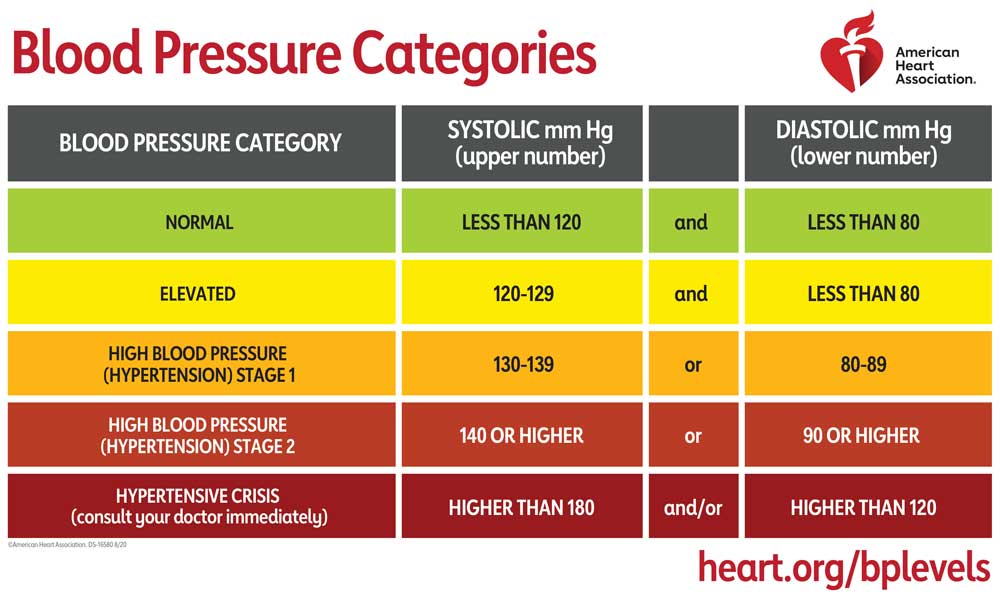
- Check blood pressure regularly, if this is elevated speak with your doctor about treatment options. See graphic from American Heart Association for information on what values represent elevated blood pressure (hypertension).
- Get an annual check-up and talk to your doctor about screening for chronic kidney disease.