About Heart Health
What is Heart Disease...
Heart disease is the leading cause of death in both the U.S. and Utah, and it affects people and communities in different ways. When the heart isn’t healthy, it can impact the whole body and make everyday life more difficult. Many risk factors for heart disease can be prevented or managed with the right information, care, and support.
Below are resources to help you understand your risk and take meaningful steps toward a healthier heart, no matter where you’re starting from.
Risk Factors:
Many different factors can increase a person’s risk of developing heart disease, including:
- High blood pressure (hypertension)
- High cholesterol
- Type 2 diabetes
- Chronic kidney disease
- Overweight/obesity
- Lack of physical activity
- Tobacco use (including vaping)
- Diet high in sodium, sugar, and fat
- Family history of heart disease
Many of these risk factors can be reduced or managed through lifestyle changes, medical care, and community support programs.
Because high blood pressure and high cholesterol are the most common (and most manageable) heart disease risk factors, you’ll find more information about those conditions below.
High blood pressure (hypertension)
High blood pressure is one of the most common and preventable risk factors for heart disease. In Utah, 27.3% of adults have been diagnosed with high blood pressure, but the actual rate is likely higher. It’s often called “the silent killer” because most people with high blood pressure do not have any symptoms, so many don’t realize their blood pressure is elevated. A diagnosis can only be confirmed by a healthcare professional.
Keeping blood pressure in a healthy range can help prevent heart attack, stroke, kidney disease, and other serious health problems.
What is high blood pressure?
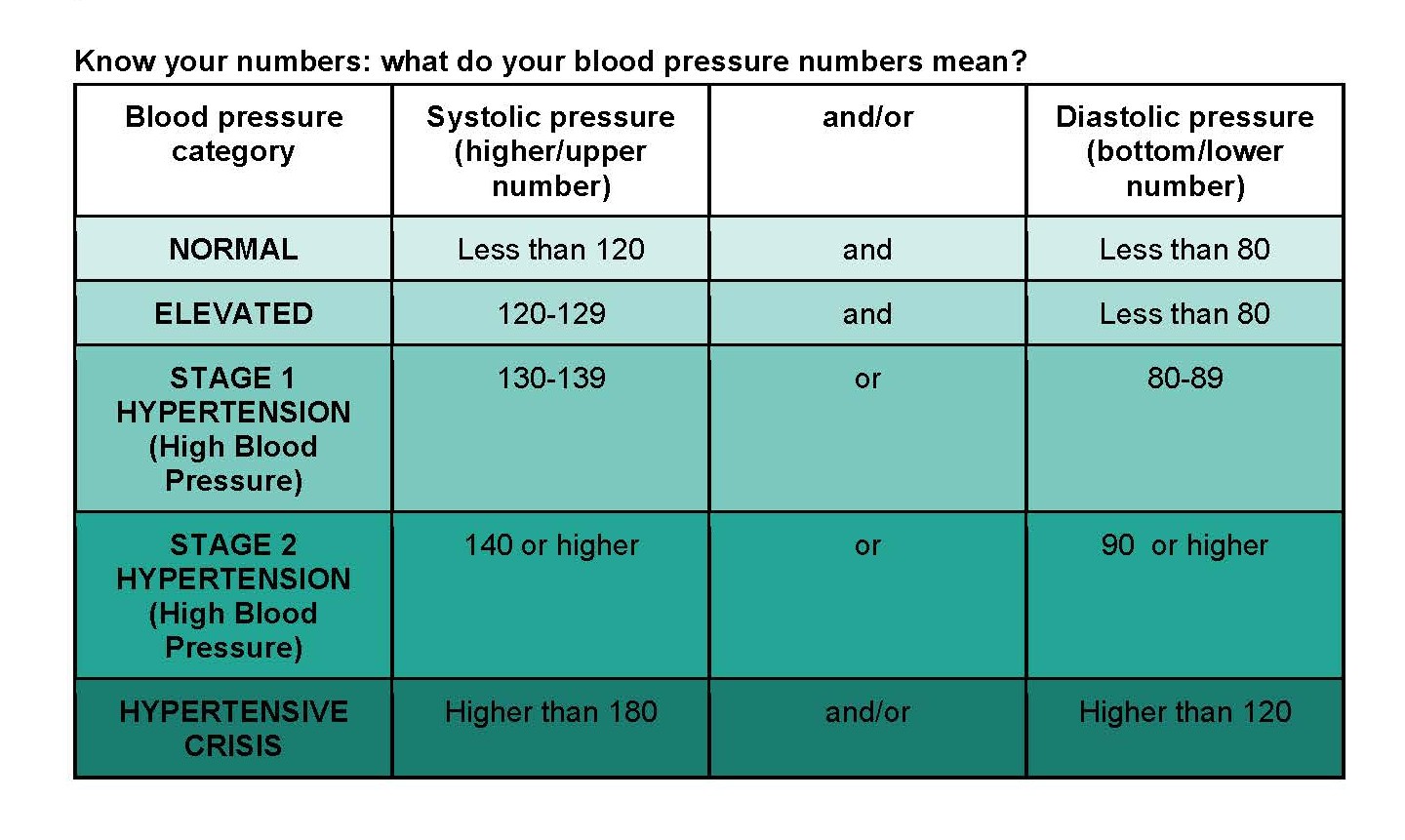
Blood pressure measures how hard your blood pushes against the walls of your blood vessels. When this pressure is consistently too high, it can damage your arteries and heart over time. High blood pressure can affect people of all ages.
High Cholesterol
High cholesterol is another common risk factor for heart disease. Many people don’t feel any symptoms, which means the only way to know your levels is through a blood test (lipid panel).
Cholesterol is a type of fat in your blood. When levels of LDL (“bad” cholesterol) are too high, it can build up in your arteries and increase your risk of heart attack and stroke.
Cholesterol is preventable and manageable, especially when identified early.
How to get your cholesterol checked:
A simple cholesterol test is available through your health care provider, clinic, or any lab that offers routine screenings. Results help you and your provider decide if lifestyle changes or medications may help lower your risk.
IHC screening services: https://intermountainhealthcare.org/services/heart-vascular-care
U of U screening services: https://healthcare.utah.edu/integrative-health/whole-person-health/movement-fitness/testing/cholesterol-a1c-screening